When Men Feel Numb, Not Broken
When Men Feel Numb, Not Broken
Not all struggling looks like falling apart.
Sometimes it looks like feeling nothing.
Not happy. Not devastated. Not angry in any obvious way. Just flat.
Disconnected. Distant. Hard to reach. Hard to move. Hard to explain.
A lot of men describe this as numbness.
Not all struggling looks like falling apart.
Sometimes it looks like feeling nothing.
Not happy. Not devastated. Not angry in any obvious way. Just flat.
Disconnected. Distant. Hard to reach. Hard to move. Hard to explain.
A lot of men describe this as numbness.
They are still functioning. Still working. Still doing what needs doing. Still answering messages. Still showing up.
But something inside feels switched off.
This can be confusing because many people expect emotional pain to look dramatic.
Tears. Panic. Breakdown. Crisis.
But emotional overwhelm does not always look like that.
Sometimes, when too much has happened, the system protects itself by turning the volume down.
If you have carried grief, stress, pressure, shame, relationship difficulties, family tension, or years of feeling unseen, numbness can become a kind of armour.
Not chosen. Not deliberate. Not weakness.
Protection.
The problem is that armour does not only block pain.
It can also block joy. Connection. Desire. Closeness. Motivation. Hope.
You may find yourself thinking:
“I should care more. I should feel more. Why am I like this? What is wrong with me?”
But numbness is not always a sign that you are broken.
Sometimes it is a sign that you have been carrying too much without enough space to process it.
For many men, emotional numbness also links to how they were taught to cope.
Be strong. Move on. Don’t cry. Don’t dwell. Don’t talk about it. Other people have it worse.
Over time, feelings do not disappear.
They go underground.
And when they stay underground for too long, life can start to feel distant.
Like you are watching yourself rather than living.
If this sounds familiar, the answer is not to force yourself to “snap out of it.”
The first step may be gentler than that.
Notice it. Name it. Be curious about it. Ask what your numbness might have been protecting you from.
You may not be broken.
You may be tired. You may be grieving. You may be overwhelmed. You may have learned to survive by switching parts of yourself off.
And if that is true, there may also be a way back.
Not all at once.
Why Men Stay Stuck
Why Men Stay Stuck
A lot of men are not stuck because they are lazy.
They are stuck because somewhere along the way, survival became routine.
Keep going. Don’t make a fuss. Don’t talk too much. Don’t be needy. Don’t fail. Don’t fall apart. Don’t let people down.
For many men, this starts early.
They learn to manage. To cope. To carry. To push things down. To become useful. To become dependable. To become the one who gets on with it.
And for a while, that can work.
A lot of men are not stuck because they are lazy.
They are stuck because somewhere along the way, survival became routine.
Keep going. Don’t make a fuss. Don’t talk too much. Don’t be needy. Don’t fail. Don’t fall apart. Don’t let people down.
For many men, this starts early.
They learn to manage. To cope. To carry. To push things down. To become useful. To become dependable. To become the one who gets on with it.
And for a while, that can work.
It can get you through hard times. It can help you survive loss, pressure, responsibility, family breakdown, work stress, grief, fatherhood, or difficult relationships.
But what helps you survive can sometimes become the thing that keeps you trapped.
Because if your whole life has been built around coping, stopping can feel dangerous.
Talking can feel exposing. Change can feel risky. Rest can feel uncomfortable. Asking for help can feel like failure.
So men stay stuck.
Not because they want to. Not because they lack intelligence. Not because they do not care.
But because the pattern has become familiar.
And familiar can feel safer than free.
Being stuck often looks ordinary from the outside.
Going to work. Being responsible. Making jokes. Helping others. Keeping busy. Saying “I’m fine.”
But inside, there may be a quiet sense of:
“I don’t know how I got here. I don’t know what I want. I don’t know why I feel like this. I don’t know how to change without everything falling apart.”
Sometimes men stay stuck because they have never had enough space to ask what they actually need.
Not what others need from them. Not what they should do. Not what keeps everyone else comfortable.
But what they need.
That question can feel unfamiliar.
But it can also be the beginning of movement.
You do not have to change everything at once.
Sometimes the first step is simply recognising that what you have called “normal” may actually be survival.
And maybe survival is no longer enough.

Divorce Can Feel Like Grief, Even When No One Died
Divorce Can Feel Like Grief, Even When No One Died
A lot of men go through divorce or relationship breakdown without fully realising they are grieving.
Because no one has died, it can feel like they should just move on.
Start again. Be practical. Sort the house. Sort the finances. Sort the children. Sort the arrangements. Keep it civil. Keep it together.
But underneath all of that, there can be a very real grief.
A lot of men go through divorce or relationship breakdown without fully realising they are grieving.
Because no one has died, it can feel like they should just move on.
Start again. Be practical. Sort the house. Sort the finances. Sort the children. Sort the arrangements. Keep it civil. Keep it together.
But underneath all of that, there can be a very real grief.
Not only grief for the person or the relationship, but grief for the life that was imagined.
The future you thought you were building. The family rhythm. The version of yourself you were in that relationship. The home. The routines. The certainty. The identity.
Even if the relationship needed to end, loss can still be loss.
Many men find this confusing.
They may not want the relationship back, but still feel devastated. They may know separation was the right decision, but still feel broken by it. They may appear calm, practical, even relieved, while privately feeling lost.
That is grief.
Grief does not always mean wanting something back. Sometimes grief is the mind and body trying to adjust to a world that no longer looks the way it did.
Relationship breakdown can also bring up deeper questions.
Who am I now? What kind of partner was I? What kind of father am I? Why did this happen? Could I have done more? Will anyone really know me again?
For many men, divorce is not only an ending.
It can feel like a collapse of identity.
And if that grief is not recognised, it can come out in other ways.
Anger. Numbness. Overworking. Drinking more. Withdrawing. Shutting down. Trying to move on too quickly. Or feeling stuck without knowing why.
Divorce can feel like grief, even when no one died.
And naming that does not make you weak.
It makes you honest.

When Life Looks Okay, But Feels Wrong
When Life Looks Okay, But Feels Wrong
Sometimes the hardest thing to explain is not that life is falling apart.
It is that, on paper, things might actually look okay.
You get up. You go to work. You reply to messages. You keep appointments. You pay bills. You do what needs doing.
From the outside, nothing may look especially wrong.
But inside, something feels off.
Sometimes the hardest thing to explain is not that life is falling apart.
It is that, on paper, things might actually look okay.
You get up. You go to work. You reply to messages. You keep appointments. You pay bills. You do what needs doing.
From the outside, nothing may look especially wrong.
But inside, something feels off.
Not always dramatic. Not always urgent. Not always obvious.
Just a quiet sense that you are not fully yourself.
A lot of men live here for longer than they realise because if they are still functioning, they assume they must be fine.
But functioning and feeling okay are not the same thing.
You can be reliable and still feel lost. You can be capable and still feel empty. You can be getting through the day and still feel like something important has gone missing.
Sometimes feeling stuck does not arrive as a crisis.
Sometimes it looks like sitting in your car for a few extra minutes before going inside. Scrolling late at night because silence feels too much. Keeping busy because stopping might bring up something you do not want to face.
It can be hard to ask for help when you cannot clearly explain what is wrong.
But “I don’t feel like myself” is enough of a place to start.
You do not have to wait until everything collapses before you take yourself seriously.
Sometimes the first step is simply noticing:
Life looks okay. But something does not feel right.

One Step That Makes It Slightly Better
One Step That Makes It Slightly Better
Once something has been noticed and stayed with, there can be a temptation to go back to trying to fix everything.
To find the right answer. To make a plan. To solve the whole situation in one go.
But that usually brings the same feeling back. Too much. Too many moving parts. Too many things to hold.
So instead of asking how to make everything better, the question becomes simpler.
Once something has been noticed and stayed with, there can be a temptation to go back to trying to fix everything.
To find the right answer. To make a plan. To solve the whole situation in one go.
But that usually brings the same feeling back. Too much. Too many moving parts. Too many things to hold.
So instead of asking how to make everything better, the question becomes simpler.
What would make this slightly better.
Not fixed. Not resolved. Just slightly more manageable than it is right now.
This shifts the focus in a very practical way. It brings things back into something that can actually be done, rather than something that needs to be worked out.
Sometimes the answer is small.
Getting some rest. Sending a message. Taking a break. Saying no to something. Giving yourself a bit more time.
Sometimes it’s even smaller than that. Standing up and moving. Getting some fresh air. Stepping away from a situation for a moment.
The size of the step isn’t the point. What matters is that it is real.
Something you can actually do, today.
There’s a difference between thinking “I need to sort my life out” and deciding to make one phone call. Or to go for a walk. Or to not respond to something immediately.
One is conceptual. The other is concrete.
And it’s the concrete step that changes things.
Over time, these small steps begin to build. Not in a dramatic way, but in a steady one. Each one creates a little more space, a little more clarity, a little more movement.
It doesn’t solve everything. It doesn’t need to.
It just moves things on from where they were.
And often, that’s enough.
So when things feel stuck or overwhelming, the question isn’t how do I fix this.
It’s what is one step that would make this slightly better, right now.

Staying With What’s There
Staying With What’s There
Once something comes into focus, the harder part often begins.
Noticing something is one thing. Staying with it is something else.
Once something comes into focus, the harder part often begins.
Noticing something is one thing. Staying with it is something else.
There is a natural pull to move away. To distract. To explain it quickly. To minimise it or replace it with something more manageable. This isn’t a failure. It’s a protective response. Most people haven’t been given many opportunities to sit with difficult feelings without needing to fix them.
So the moment something real appears, the instinct is often to move on.
But when everything is moved away from too quickly, nothing has a chance to settle. It stays half-formed, unclear, returning again later in a slightly different shape.
Staying with something doesn’t mean being overwhelmed by it. It doesn’t mean analysing it or forcing it to make sense. It means allowing it to be there for a moment longer than you usually would.
That might be a few seconds. It might be a minute.
It might mean noticing that tightness in your chest and not immediately trying to get rid of it. It might mean letting a feeling of frustration or sadness be present without turning it into a problem to solve.
If that feeling had a voice, it might not say anything complicated. It might say something simple like “this is too much” or “I’m tired” or “I don’t know what to do.”
There’s often something quite direct underneath it all.
The difficulty is that staying with something can feel uncertain. There isn’t a clear outcome. Nothing is being fixed in that moment. But something important is happening.
You are allowing your experience to be real, rather than immediately reshaping it into something more acceptable or manageable.
Over time, that creates a different relationship with your thoughts and feelings. They don’t need to be pushed away quite so quickly. They don’t need to be solved straight away.
They can be noticed, felt, and understood a little more clearly.
And often, from that place, the next step becomes easier to see.

Start with One Thing
Start with One Thing
Sometimes it isn’t that nothing is there. It’s that too much is there at once.
Thoughts, feelings, pressure, expectations. Everything competing for attention. It can feel like standing in front of something you’re meant to make sense of, but every part looks the same. Or like holding a bag full of ingredients without knowing what goes with what.
Sometimes it isn’t that nothing is there. It’s that too much is there at once.
Thoughts, feelings, pressure, expectations. Everything competing for attention. It can feel like standing in front of something you’re meant to make sense of, but every part looks the same. Or like holding a bag full of ingredients without knowing what goes with what.
When that happens, the mind often tries to fix it by thinking harder. Working it out. Finding the answer. Trying to make everything make sense all at once.
But that usually keeps things stuck.
So instead of trying to solve everything, we do something different. We make it concrete, not conceptual.
We start with one thing.
Not everything. Just one thing that stands out, even slightly. It might be a feeling you can’t quite shake. A thought that keeps returning. Something from the day that has stayed with you longer than you expected.
You don’t need to be certain. You don’t need to get it right. You’re just noticing what is already there.
Before trying to explain it, bring your attention into your body. Notice how it feels rather than what it means. Where do you feel it. Is it tight, heavy, restless, flat. There’s no need to change it. Just stay with it for a moment.
This is often the part people move past quickly, but it’s where something begins to shift.
If you stay with it, even briefly, it often becomes clearer. Not in a dramatic way, but in a quieter, more grounded way. If that feeling could speak, it might say something simple. It might not make perfect sense. That’s okay.
Then bring it back to the present. What is actually happening right now. Not the story about it. Not what might happen next week. Just what is happening today, in real terms.
From there, ask what this one thing needs. Not everything, just this.
Does it need rest. A conversation. A boundary. A pause.
Keep it simple.
Then look for slightly better. Not fixed, not solved, just one step that makes it even a little more manageable.
And then take one small step. Something real. Something you can do today. Not a plan for the future, not something abstract. Just one action.
When everything feels like too much, the goal isn’t to sort it all out. It’s to find something you can stand on.
And often, that starts with one thing.

When Everything Feels Too Much, Start Here
When Everything Feels Too Much, Start Here
Sometimes it isn’t that nothing is there.
It’s that too much is there at once.
Thoughts, feelings, pressure, expectations.
Everything competing for attention.
And when that happens, the mind often tries to fix it by thinking harder.
Sometimes it isn’t that nothing is there.
It’s that too much is there at once.
Thoughts, feelings, pressure, expectations.
Everything competing for attention.
And when that happens, the mind often tries to fix it by thinking harder.
Working it out.
Finding the answer.
Trying to make everything make sense.
But that usually keeps things stuck.
So instead of trying to solve everything, we do something different.
We make it concrete, not conceptual.
Start with one thing
Not everything.
Just one thing that stands out, even slightly.
It might be a feeling.
A thought that keeps returning.
A moment from the day.
You don’t need to be sure.
Just notice what’s there.
Bring your attention into your body
Before trying to explain it, notice how it feels.
Where do you feel it?
Is it tight, heavy, restless, flat?
There’s no need to change it.
Just stay with it for a moment.
This is often the part people skip, but it’s where things begin to shift.
Stay with it
The instinct is usually to move away quickly.
To distract.
To fix.
To override.
But if you stay with it, even briefly, it often becomes clearer.
If that feeling could speak, what might it say?
Reality check
Now bring it into the present.
What is actually happening right now?
Not the story about it.
Not what might happen next week.
Just what is happening today, in real terms.
What does it need?
Not everything.
Just this one thing.
Does it need rest?
A conversation?
A boundary?
A pause?
Keep it simple.
Look for “slightly better”
Not perfect.
Not fixed.
Just 1% easier.
What would make this feel even slightly more manageable?
Take one small step
Something real.
Something you can do today.
Not a plan for the future.
Not “I should be better at…”
Just one concrete step.
When everything feels like too much, the goal isn’t to sort it all out.
It’s to find something you can stand on.
And often, that starts with one thing.
A simple question to take with you
If you didn’t have to work everything out,
what is the one thing that stands out right now?

There are times when something in us goes quiet
There are times when something in us goes quiet
In the work I do, there are patterns that come up again and again. Not always loudly, not always in ways that are easy to name, but there, underneath.
Often, it starts with something small.
In the work I do, there are patterns that come up again and again. Not always loudly, not always in ways that are easy to name, but there, underneath.
Often, it starts with something small.
A sense that things don’t quite land in the same way they used to. That something feels a little more distant. A little harder to reach. Life carries on, as it always does. Work gets done. Conversations happen. From the outside, everything looks as it should.
But something has shifted.
Sometimes, I think of it as a light going out.
Not suddenly, not dramatically. More often, it dims over time. Quietly. Gradually. Until one day, it is simply not there in the same way anymore.
And people carry on.
They keep showing up. Keep doing what needs to be done. Often without really noticing what has been lost, or without having the space to stop and look at it.
I sit with many people, particularly men, who describe this without always having the words for it. They will say they are “alright”. And in many ways, they are. Life is functioning. Nothing has fallen apart.
But something is quieter than it used to be.
At the same time, it is rarely as simple as something being gone.
There are often places where something comes back on, even briefly.
For some, it is a familiar walk. A routine. A place where they don’t have to explain themselves. Somewhere they can feel something without being asked to put it into words.
It might be a football ground. A shared space. A moment in the week that feels different from everything else.
Not because it fixes anything. Not because it changes what has happened.
But because, for a while, something in them reconnects.
And then there are those who carry on regardless.
Who keep things going for everyone else. Who stay steady, reliable, present. The ones people turn to. The ones who don’t always stop to ask how they themselves are doing.
Their light doesn’t go out.
It stays on.
But sometimes, it stays on for everyone else.
And in that, it can become something that is managed rather than felt. Maintained rather than experienced.
The work is not about forcing anything back on.
It is not about becoming someone different, or undoing what has been.
It is about noticing.
What has changed.
What has gone quiet.
Where things still feel alive, even if only in small ways.
And, over time, making a bit of space for that.
Because often, it is not about fixing everything.
It is about reconnecting, gently, with parts of yourself that have been carrying on without much attention for a long time.
The Business End of the Season
The Business End of the Season
March always starts to feel like the business end of the football season for me.
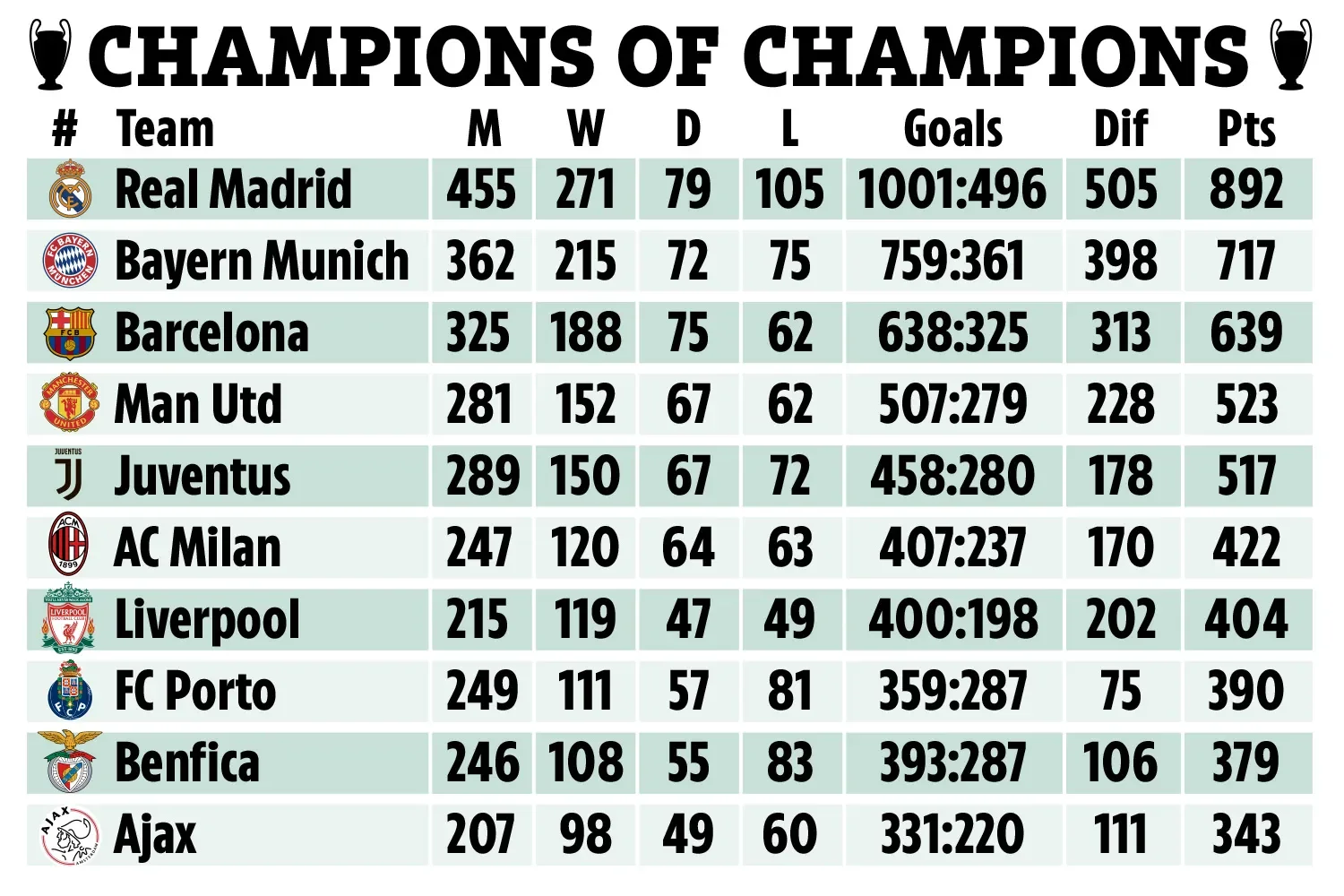
Cup competitions narrow. Every match seems to matter a little more. The table becomes something you check without thinking. Who needs points to stay up. Who is pushing for promotion. Who is quietly slipping down the league. The margins get tighter. The stakes feel higher. One good result can change everything. One bad run can create real pressure.
March always starts to feel like the business end of the football season for me.
Cup competitions narrow. Every match seems to matter a little more. The table becomes something you check without thinking. Who needs points to stay up. Who is pushing for promotion. Who is quietly slipping down the league. The margins get tighter. The stakes feel higher. One good result can change everything. One bad run can create real pressure.
Even if you are not directly involved, you can feel it in the atmosphere. The conversations shift. The focus sharpens. Every decision starts to carry a bit more weight.
And in some ways, life can begin to feel like that too.
There comes a point, often somewhere in the middle years, when many men start taking stock. Not always consciously. Not always in a way they can explain. But there is a quiet sense of looking at the table and wondering where they stand.
Work. Family. Money. Health. Relationships. Responsibility. Time.
For some, it can feel like they are pushing for something. Trying to move forward. Trying to build. Trying to make the right decisions while people depend on them. For others, it can feel more like holding position. Staying steady. Keeping things going. Making sure nothing slips too far off course.
And for some, if they are honest, it can feel like trying not to fall behind.
The pressure is rarely dramatic. It builds slowly. It sits in the background. A quiet awareness that certain things feel more important now. That there is less room for mistakes. That the consequences feel bigger than they used to.
In football, the business end of the season is where everything gets decided. But in life, it is not that simple.
There is no league table that truly measures how you are doing as a man. No final whistle that sums up your worth. No clear scoreboard for how well you are coping with grief, pressure, fatherhood, work, or the quiet weight of being the one others rely on.
And yet many men carry that sense of evaluation around with them.
Am I doing enough.
Am I where I should be.
Am I letting people down.
Should I have done more by now.
These thoughts do not always get spoken out loud. They show up as tiredness. As irritability. As working longer hours. As keeping things to yourself. As telling people you are fine because it feels easier than explaining what is really going on.
From the outside, everything can look steady. You keep showing up. You keep going to work. You keep doing what needs to be done. But internally, the pressure can feel like it is building week by week.
Just like in football, there are moments when everything feels like it is riding on the next result.
The difference is that in life, there is no season that ends neatly. No clear point where the pressure suddenly lifts. It just carries on. Responsibilities change. Roles shift. New challenges take the place of old ones.
Which is why it matters to notice when things start to feel heavier.
Not as a sign of failure. Not as a reason to panic. But as a quiet signal that you might be carrying more than you realise.
The men I sit with in the therapy room are not weak. They are not incapable. They are often the ones who have kept things going for years. Supported others. Managed loss. Held families together. Carried pressure without complaint.
But even the strongest teams feel it at the business end of the season.
They need space to regroup. To talk. To make sense of what is happening. To stop pretending everything is fine when the pressure is building underneath.
Life is not a league table. There is no promotion or relegation when it comes to being a good father, a good partner, or a decent man. There is only the quiet, ongoing work of trying to live well, support others, and stay steady in the face of whatever comes your way.
And sometimes, the most important thing you can do is take a moment to check in with yourself, not to judge where you are, but to notice how much you have been carrying.
Because the business end of the season can feel intense. But you do not have to face it on your own.

The Walk to the Ground
The Walk to the Ground
This photograph is not of a beach or a beauty spot.
It is simply the path to a football ground.
And yet, for many of us, places like this carry more meaning than almost anywhere else.
This photograph is not of a beach or a beauty spot.
It is simply the path to a football ground.
And yet, for many of us, places like this carry more meaning than almost anywhere else.
Match days have their own rhythm. The familiar journey. The same streets. The same turnstiles. The same faces you have nodded to for years without ever knowing their names. A small ritual repeated week after week.
On the surface it is just sport.
Underneath, it is often much more.
For some people, the walk to the ground is a chance to breathe after a long week. A few hours away from work pressures, family worries, or the noise inside their own heads. A place where it is acceptable to feel things openly, to shout, to celebrate, even to be disappointed together.
Football grounds are strange and powerful spaces. They hold memories. Of people we used to go with. Of seasons that felt full of hope. Of afternoons that still make us smile years later.
I meet many men in my counselling room who struggle to talk about their emotions. Yet the same men can describe in perfect detail a match they watched twenty years ago, who they were with, and how it made them feel.
Sometimes the path to a football ground is one of the few places they allow themselves to simply be.
This image reminds me that wellbeing does not only happen in therapy rooms or mindfulness classes. It happens in ordinary routines. In shared experiences. In belonging to something bigger than ourselves for a couple of hours on a Saturday.
Not everyone loves football of course. But most of us have our version of this walk. The place we go where life feels a little lighter for a while.
And in a busy, complicated world, those small anchors matter.
So next time you are heading to a match, or whatever your equivalent might be, notice it. Notice the familiar route, the anticipation, the sense of stepping briefly out of everyday life.
Sometimes that simple journey is a form of self-care, even if we never call it that.

Men, Neurodiversity, and the Weight of Trying to Fit
Men, Neurodiversity, and the Weight of Trying to Fit
When people think about neurodiversity, they often picture children. Classrooms. Assessments. Support plans. What gets talked about far less is the quiet reality of neurodivergent men and fathers trying to navigate adult life.
When people think about neurodiversity, they often picture children. Classrooms. Assessments. Support plans. What gets talked about far less is the quiet reality of neurodivergent men and fathers trying to navigate adult life.
Many of the men I meet in counselling have spent years wondering why things feel harder for them than they seem to be for everyone else. They have held jobs, raised families, paid bills, kept going. From the outside they often look like they are coping just fine. Inside, they are exhausted.
The hidden cost of masking
For a lot of neurodivergent men, life has involved a long process of learning how to blend in. Watching how others behave. Copying social rules that never quite make sense. Hiding sensitivities. Pushing through overstimulation. Trying to be the version of a man they believe the world expects.
This is what we often call masking. And it comes with a heavy price.
Masking can look like:
forcing yourself through social situations that leave you drained
pretending to be calmer than you feel
laughing along when you are confused
keeping quiet rather than asking for help
carrying sensory overload in silence
trying to meet expectations that never quite fit
Over time, that effort builds up. Burnout becomes common. So does anxiety, low mood, and a sense of being slightly out of step with the world.
Why men often struggle to seek support
Men are already taught to cope alone. To be steady. To get on with things. When neurodivergence is part of the picture, those expectations can feel even heavier.
Many men tell me they have avoided therapy because they assumed it was not for them. They worried they would be judged. They believed they should be able to handle things on their own. Or they simply did not have the language to describe what they were experiencing.
Often it is only when something becomes too much, a relationship difficulty, a period of intense stress, becoming a father, or a sense of complete burnout, that they finally reach out.
Fatherhood and neurodiversity
Fatherhood can be a turning point.
Routines change. Noise increases. Sleep reduces. Emotional demands grow. Suddenly there is far less space to recover from overload. Patterns that were just about manageable before can start to feel overwhelming.
Neurodivergent fathers sometimes tell me they feel guilty for finding things hard. They compare themselves to other parents and assume they are failing, rather than recognising they might simply experience the world differently.
Therapy can be a place where that guilt is gently unpacked and understood.
A different kind of therapy
Neurodiversity-affirming therapy is not about fixing people or trying to make them fit in better. It is about understanding how your mind actually works and finding ways to live that respect that reality.
In practice, that might mean:
making sense of patterns from the past
understanding sensory needs
exploring communication styles
learning to recognise overload earlier
finding kinder ways to manage energy
building relationships that feel safer and more honest
Most importantly, it means shifting the question from:
“What is wrong with me?”
to
“What do I need?”
You do not have to figure this out alone
If you are a man who has always felt a little different, a father who is tired of trying to hold everything together, or someone wondering whether neurodiversity might be part of your story, counselling can offer a place to pause and breathe.
You do not need a diagnosis to begin. You do not need perfect words. You just need a space where you can be heard without judgement.
If this resonates with you, you are welcome to get in touch.
You Don’t Have to Be a Superhero
You Don’t Have to Be a Superhero
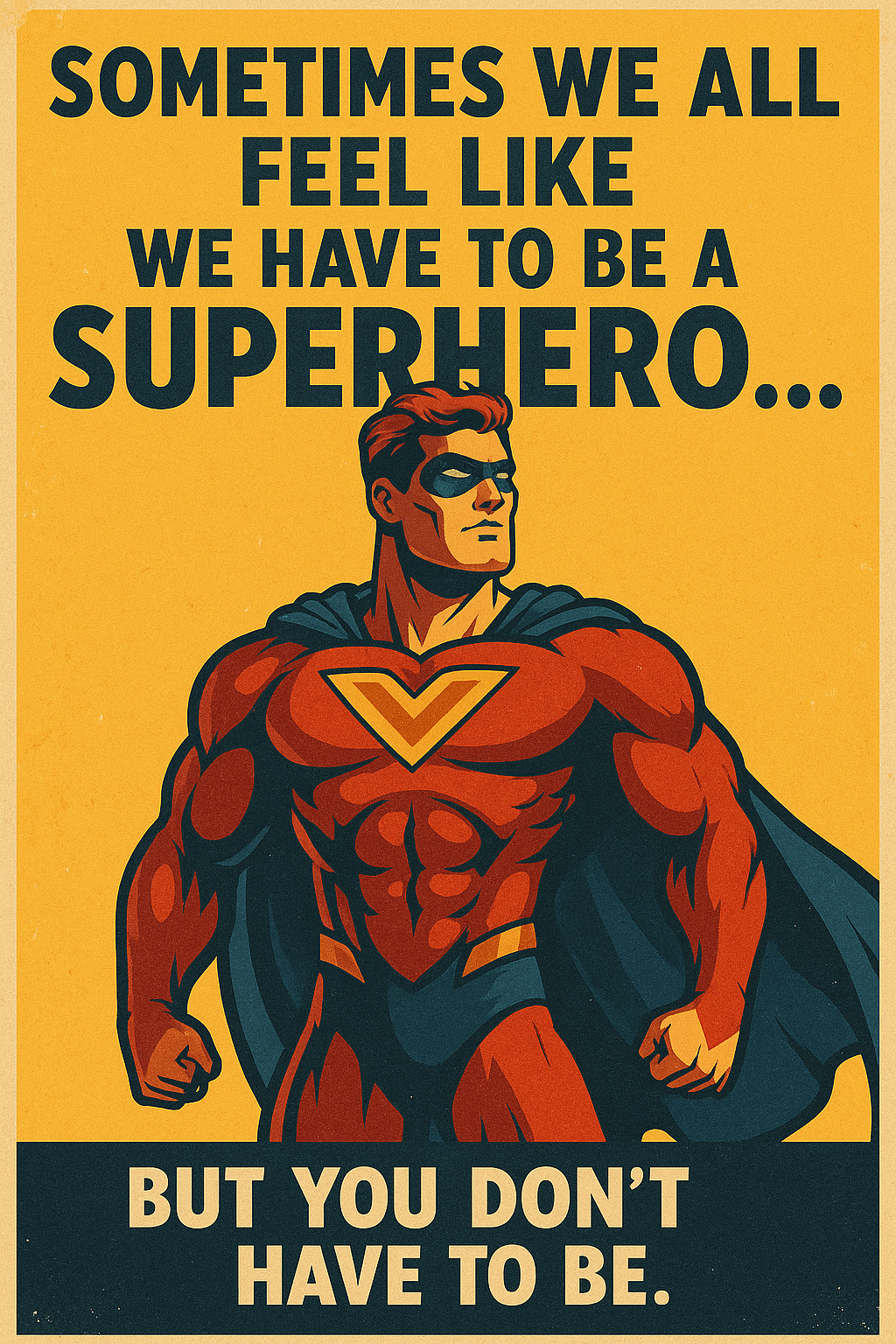
Every now and then we see an image that quietly says something important.
This one does exactly that.
A figure who looks a little like Superman. Strong. Capable. Ready for anything. The kind of person who seems able to carry the world on their shoulders.
And yet the real message underneath is simple and human.
You don’t have to be a superhero.
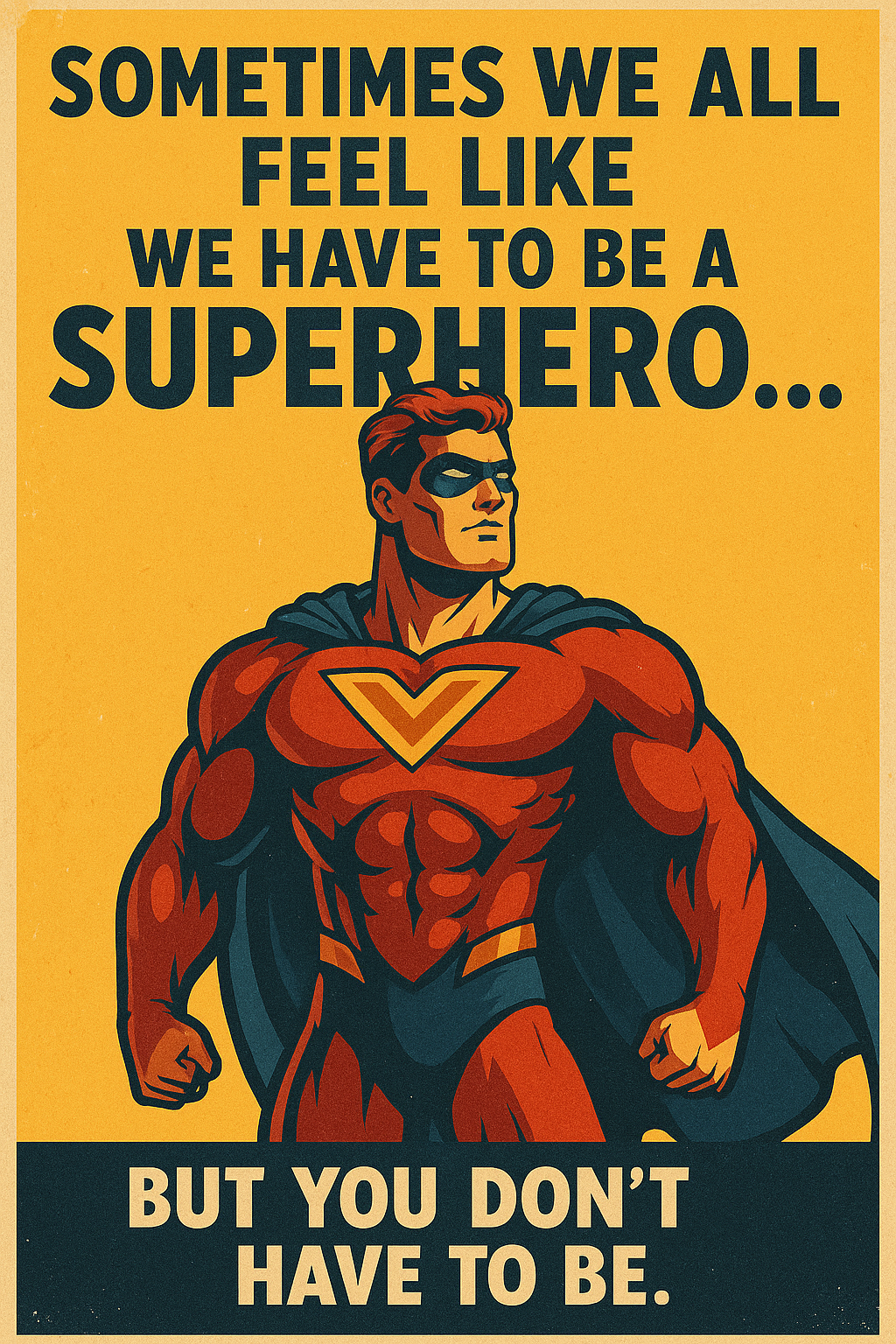
Every now and then we see an image that quietly says something important.
This one does exactly that.
A figure who looks a little like Superman.
Strong.
Capable.
Dependable.
The kind of person everyone assumes can carry whatever life throws at them.
Many people spend years trying to become that person.
The reliable one.
The strong one.
The one who never complains.
The one who keeps going.
The one who holds everything together.
At first, these roles can feel rewarding. People trust you. Rely on you. Need you.
Over time, however, something else can happen.
You become so busy being what everyone else needs that you lose touch with what you need yourself.
The cape becomes part of your identity.
You stop asking for help.
You stop saying when something hurts.
You stop admitting when you're tired.
Not because you're strong.
Because you've forgotten there was ever another option.
Many of the people I meet in counselling are not struggling because they are weak.
They are struggling because they have been strong for too long.
They have spent years carrying responsibilities, expectations, worries, and pressures without ever putting them down.
From the outside they often look like they are coping.
Inside, they are exhausted.
The difficulty is that people rarely congratulate us for being human.
We are often rewarded for being useful.
For being dependable.
For carrying more than our fair share.
Yet being useful and being well are not the same thing.
At some point many people find themselves asking a difficult question:
Who am I when I stop being the person everyone else relies on?
That question sits underneath more struggles than we often realise.
Stress.
Burnout.
Grief.
Fatherhood.
Relationships.
Identity.
Sometimes the problem is not that life has become too heavy.
Sometimes it is that we have been carrying it alone for so long that we no longer know how to put it down.
You do not have to be a superhero.
You do not have to carry everything yourself.
You do not have to earn your place in the world through endless responsibility.
You are allowed to be tired.
You are allowed to need support.
You are allowed to be human.
And perhaps that is where real strength beginsn.

The Armour
The Armour: Why Many Men Learn to Hide Their Feelings
Most armour begins as protection.
Nobody wakes up one morning and decides they no longer want to feel.
More often, life teaches them.
A difficult childhood.
A painful loss.
Bullying.
Rejection.
Disappointment.
An environment where vulnerability felt unsafe.
Most armour begins as protection.
Nobody wakes up one morning and decides they no longer want to feel.
More often, life teaches them.
A difficult childhood.
A painful loss.
Bullying.
Rejection.
Disappointment.
An environment where vulnerability felt unsafe.
An experience that quietly taught them that showing emotion came at a cost.
So they adapt.
They become tougher.
More independent.
Less expressive.
More self-reliant.
They learn to cope.
The armour works.
At least for a while.
It protects against criticism.
It protects against disappointment.
It protects against being hurt in the same way again.
The difficulty is that armour rarely knows the difference between danger and connection.
The same armour that protects us from pain can also prevent us from experiencing closeness.
The same armour that helps us survive can make it harder to ask for help.
The same armour that keeps disappointment out can also keep love, support, and understanding at a distance.
Many men become experts at wearing armour.
They keep going.
They provide.
They cope.
They carry on.
From the outside they often look strong.
Inside they can feel isolated.
Not because they have failed.
Because the strategies that once helped them survive are now being asked to do a different job.
The question is not whether the armour was useful.
Often it was.
The question is whether it is still serving the life you are trying to live now.
Sometimes therapy is not about removing the armour completely.
Sometimes it is about understanding why it was needed, appreciating the role it played, and deciding when it is safe to set parts of it down.
Because surviving and living are not always the same thing.
And armour that was essential during one chapter of life can become surprisingly heavy in the next.

Wouldn’t it be nice if self care was as easy as ticking off all the little icons in this picture.
Wouldn't it be nice if self-care was as easy as ticking off all the little icons on this picture?
A cosy day. A walk outside. A bit of sunshine. A tidy list of goals. A jumper that magically makes you feel better. In real life self care is never that neat. It is messy. It is inconsistent. It depends on how much sleep you had, what life threw at you, and whether you have the energy to do more than survive the day.
A cosy day. A walk outside. A bit of sunshine. A tidy list of goals. A jumper that magically makes you feel better. In real life self care is never that neat. It is messy. It is inconsistent. It depends on how much sleep you had, what life threw at you, and whether you have the energy to do more than survive the day.
This is why January is such a strange month. The world expects a new version of you. Meanwhile most people are just trying to remember where they left their motivation. The gap between the picture and the reality can make you feel like you have already failed before the year has even begun.
So here is the truth. You do not need to complete every box. You do not need to become the person on the poster. Real self care is smaller, quieter, more honest. It is doing what is possible, not what looks perfect.
January. The Month Everyone Promises Themselves Too Much
January arrives with a lot of noise. New Year. New You. New habits. New plans. New gym. New diet. New mindset. New everything.
Most of it lasts about eight days.
By the middle of January most people are already exhausted. Christmas has emptied the tank. Work has started again before anyone feels ready. Bank accounts feel thin. The mornings are dark. And the pressure to become a better, brighter version of yourself grows louder every time you open your phone.
So here is the truth. You do not need a new you. You need a kinder you.
Self care in January is not glamorous. It is not a scented candle and a perfect morning routine. It is asking yourself very simple questions and answering them honestly.
What do I actually need
Not what the internet says you should want. What do you need. Rest. Connection. Space. A break from alcohol. A walk outside. Someone to talk to. A moment to breathe. Your answer does not have to impress anyone.
What can I realistically do
Self care is not a performance. It is not thirty new habits. It is choosing one thing you can actually stick to without collapsing by the second week of the month. Drink more water. Go to bed earlier once or twice a week. Take one slow morning. Say no more often. You get to choose.
Who helps me feel like myself
January can make people feel disconnected. Finding the people who ground you matters far more than any motivational quote. A friend. A partner. A colleague who gets you. Talking to someone honest and safe can settle your whole system.
When do I need to ask for help
If you are stuck. If things feel heavy. If you notice old patterns creeping back. If grief is louder than you expected. If you are feeling lost and do not know why. Reaching out is self care too. Sometimes it is the most important kind.
A gentle reminder
You do not have to rebuild your entire life because the calendar flipped. You do not have to force motivation. You do not have to punish yourself into feeling better. You only have to start where you are and take one good step at a time.
If next year is going to feel different, it will not be because you made fifty resolutions. It will be because you treated yourself with a bit more patience and honesty.
If you want space to talk, reflect or understand yourself more deeply this January, I am here.

Counselling or Psychotherapy. What Is the Difference and Which One Do You Need
Counselling or Psychotherapy. What Is the Difference and Which One Do You Need
People often ask me what the difference is between counselling and psychotherapy. The honest answer is that the lines are softer than most websites make them sound. Both offer a safe and confidential space to talk. Both help you understand your thoughts, feelings and behaviour. Both can move your life forward in a meaningful way.
The difference is usually in how deep the work goes and what you want from the process.
People often ask me what the difference is between counselling and psychotherapy. The honest answer is that the lines are softer than most websites make them sound. Both offer a safe and confidential space to talk. Both help you understand your thoughts, feelings and behaviour. Both can move your life forward in a meaningful way.
The difference is usually in how deep the work goes and what you want from the process.
Counselling
Counselling tends to focus on a specific issue that is happening right now. It is usually short term. People often come for support with grief, stress, relationship tension, work pressure, or a life change that feels overwhelming. The work is practical and supportive. You and your therapist look at what is happening in your life and what would help you cope, recover or adjust.
Psychotherapy
Psychotherapy usually goes further. It pays attention to the deeper roots of your struggles. It explores the patterns you keep finding yourself in. It looks at how past experiences, relationships or beliefs may be shaping your present. This work takes time. It is steady, reflective, sometimes emotional, and often life changing. Psychotherapy helps you make lasting change rather than short term adjustments.
What Matters Most
Research keeps coming back to one simple truth. The relationship is what heals. The trust between you and your therapist shapes how far you can go and how safe you feel going there. It is completely normal to meet a therapist for a few sessions before you know if the fit is right.
How To Choose
You might choose counselling if you want support with a specific issue and you are looking for clear guidance, coping strategies and a place to catch your breath.
You might choose psychotherapy if you want to understand yourself more deeply, if old experiences still feel present, or if you keep running into the same emotional walls and patterns.
Many people move naturally between the two. You do not have to know at the beginning. That is what the first session is for.
At Me In Time
My work sits in both spaces. Some clients come for immediate support after a sudden loss. Some come for deeper work around relationships, fatherhood, identity, shame or long standing patterns that are difficult to shift. Some men arrive saying they feel stuck and they cannot explain why. Others arrive knowing exactly what hurts but not yet knowing how to heal it.
Wherever you are, we shape the work around you. We take our time. We work at the depth that feels right. And we keep the focus on helping you live a fuller and more honest life.
If you want to explore this or ask what might suit you, you are welcome to get in touch.

A Gentle Pre Christmas Reminder For Anyone Who Needs It
A Gentle Pre Christmas Reminder For Anyone Who Needs It
December has a very strange energy. People talk about Christmas like it is a cosy film scene. Mulled wine. Smiles. Matching pyjamas. Everyone getting along.
In reality most people are somewhere between tired, stressed and wondering how it is suddenly the end of the year again.
Christmas has a habit of shining a light on everything you hoped might feel a bit easier by now. Money worries feel louder. Family dynamics get complicated. Grief shows up without asking. Loneliness does too. Even people who love Christmas often feel stretched in ways they do not talk about.
So here is a gentle reminder before the chaos begins.
December has a very strange energy. People talk about Christmas like it is a cosy film scene. Mulled wine. Smiles. Matching pyjamas. Everyone getting along.
In reality most people are somewhere between tired, stressed and wondering how it is suddenly the end of the year again.
Christmas has a habit of shining a light on everything you hoped might feel a bit easier by now. Money worries feel louder. Family dynamics get complicated. Grief shows up without asking. Loneliness does too. Even people who love Christmas often feel stretched in ways they do not talk about.
So here is a gentle reminder before the chaos begins.
You do not have to enjoy everything
Some parts will feel good. Some will not. Nothing is wrong with you if you do not feel festive. Nothing is wrong with you if you feel emotional and cannot explain why.
You do not have to fix everything
People will bring their moods, their history, their stress and their unresolved stuff to the table. You do not have to carry any of it.
You are allowed to set limits
You can say no. You can leave early. You can take space. You can step outside and breathe. You can choose the version of Christmas that is healthiest for you.
You are allowed to slow down
December often becomes a performance. Real life does not stop just because the decorations go up. Rest is not laziness. It is how you stay well.
You are allowed to feel two things at once
You can laugh and still miss someone. You can enjoy the day and still feel sad. You can be grateful and overwhelmed at the same time. It is all human.
And finally
If this year has been heavier than you planned, you are not alone. Many people reach this point in the calendar and wonder how they kept going. Give yourself credit for the quiet resilience you rarely acknowledge.

Why Men Often Seek Help at Transition Points, Not Crisis Points
Why Men Often Seek Help at Transition Points, Not Crisis Points
We often imagine transitions arriving with a fanfare of trumpets. The promotion. The wedding. The new baby. The retirement. The sports car. The new house. The thing we have spent years working towards.
We often imagine transitions arriving with a fanfare of trumpets.
The promotion.
The wedding.
The new baby.
The retirement.
The sports car.
The new house.
The thing we have spent years working towards.
We imagine crossing an invisible line and finally feeling different. Happier. More confident. More complete. More certain about who we are and where we are going.
Then the day arrives.
You wake up.
You make a cup of tea.
You look in the mirror.
And the same you is looking back at you.
The trumpets never come.
Life has changed, but you are still carrying the same questions you had before.
For many men, this is where something begins to feel unsettled.
Not because life has gone wrong.
In fact, from the outside, life may look successful.
The career is established.
The family is growing.
The mortgage is being paid.
The responsibilities are being met.
Yet something feels different.
Or perhaps more accurately, something that has always been there can no longer be ignored.
Many men do not seek support because they have reached breaking point.
They seek support because they have reached a crossroads.
A transition creates enough space to notice the road they have been travelling.
Becoming a father.
Losing a parent.
A relationship ending.
A diagnosis that suddenly explains years of confusion.
Retirement.
The children leaving home.
A significant birthday.
These moments often bring questions with them.
How did I get here?
Is this the life I wanted?
What happens next?
Who am I now?
Part of the difficulty is that most of us carry a picture in our heads of the person we thought we would become.
The man we imagined when we were younger.
The one who had it figured out.
The one who was confident.
Successful.
Certain.
The one who would finally arrive.
Then one day we look in the mirror and realise that person never turned up.
Only we did.
Sometimes it can even feel as though that imagined version is disappointed.
Not because our lives are failures, but because they do not look the way we once imagined they would.
The strange thing is that we often assume other people are disappointed too.
Our partner.
Our children.
Our friends.
The people we love.
Yet we rarely ask them.
The disappointment often lives more comfortably in our imagination than it does in reality.
Transitions have a way of exposing these stories.
They create enough space for us to hear the conversations we have been having with ourselves for years.
Many men spend decades focusing on what needs to be done.
Providing.
Working.
Supporting others.
Meeting responsibilities.
Keeping things moving.
There is little time to stop and take stock.
Then something changes.
The pace slows.
The next chapter begins.
And the questions arrive.
Not because there is a crisis.
But because there is finally room to hear them.
This is one reason why therapy is not only for moments of breakdown.
Sometimes it is for moments of transition.
Not because something is wrong.
But because life is changing.
Because the old answers no longer fit.
Because the person in the mirror deserves to be understood rather than judged.
Perhaps the most important thing about a transition is not the event itself.
It is the opportunity it creates.
The opportunity to stop comparing yourself to the person you imagined becoming.
The opportunity to understand the person you have actually become.
The fanfare of trumpets may never arrive.
But perhaps that was never the point.
Perhaps the point is learning how to step into the next chapter with a little more honesty, a little more self-understanding, and a little more compassion for the person who has carried you this far.

Grieving the Father You Never Had
Grieving the Father You Never Had
One of the most difficult things about becoming a father is that it can force us to revisit our relationship with our own dad.
Sometimes that relationship was loving and supportive.
Sometimes it was complicated.
Sometimes it was absent altogether.
What many men discover is that they are not only grieving the father they lost.
They are sometimes also grieving the father they wished they had.
One of the most difficult things about becoming a father is that it can force us to revisit our relationship with our own dad.
Sometimes that relationship was loving and supportive.
Sometimes it was complicated.
Sometimes it was absent altogether.
What many men discover is that they are not only grieving the father they lost.
They are sometimes also grieving the father they wished they had.
The father who would have understood.
The father who would have known what to say.
The father who would have taught them how to navigate life.
The father who would have shown up consistently.
The father who would have been proud.
The difficulty is that this father often exists only in our imagination.
Or worse, he may have existed only in someone else's imagination.
A version of a man built from stories, assumptions, and selective memories.
A man who was described as wise, strong, dependable, or successful.
Or who described himself that way.
So the person we end up measuring ourselves against is often not the man himself, but the man everyone believed he was.
He never gets things wrong.
He never loses his temper.
He never lets anyone down.
He never struggles.
He never disappoints.
He becomes an ideal rather than a person.
Then something unexpected happens.
We become fathers ourselves.
And without realising it, we start trying to become that imagined man.
The perfect father.
The father who never existed.
The problem is that real people can never compete with imagined ones.
The imagined father carries no responsibilities.
Makes no mistakes.
Faces no difficult choices.
Lives no ordinary days.
He exists outside reality.
We do not.
As a result, many men find themselves judging their real lives against a standard that was never achievable in the first place.
Not because they are failing.
But because they are comparing themselves to a fantasy.
Perhaps part of becoming a father is recognising that the goal was never to become the father you wished you had.
Perhaps the goal is to become the father your child actually needs.
A real father.
A human father.
One who gets things wrong sometimes.
One who learns.
One who apologises.
One who shows up.
One who keeps trying.
Not perfect.
Present.
You.
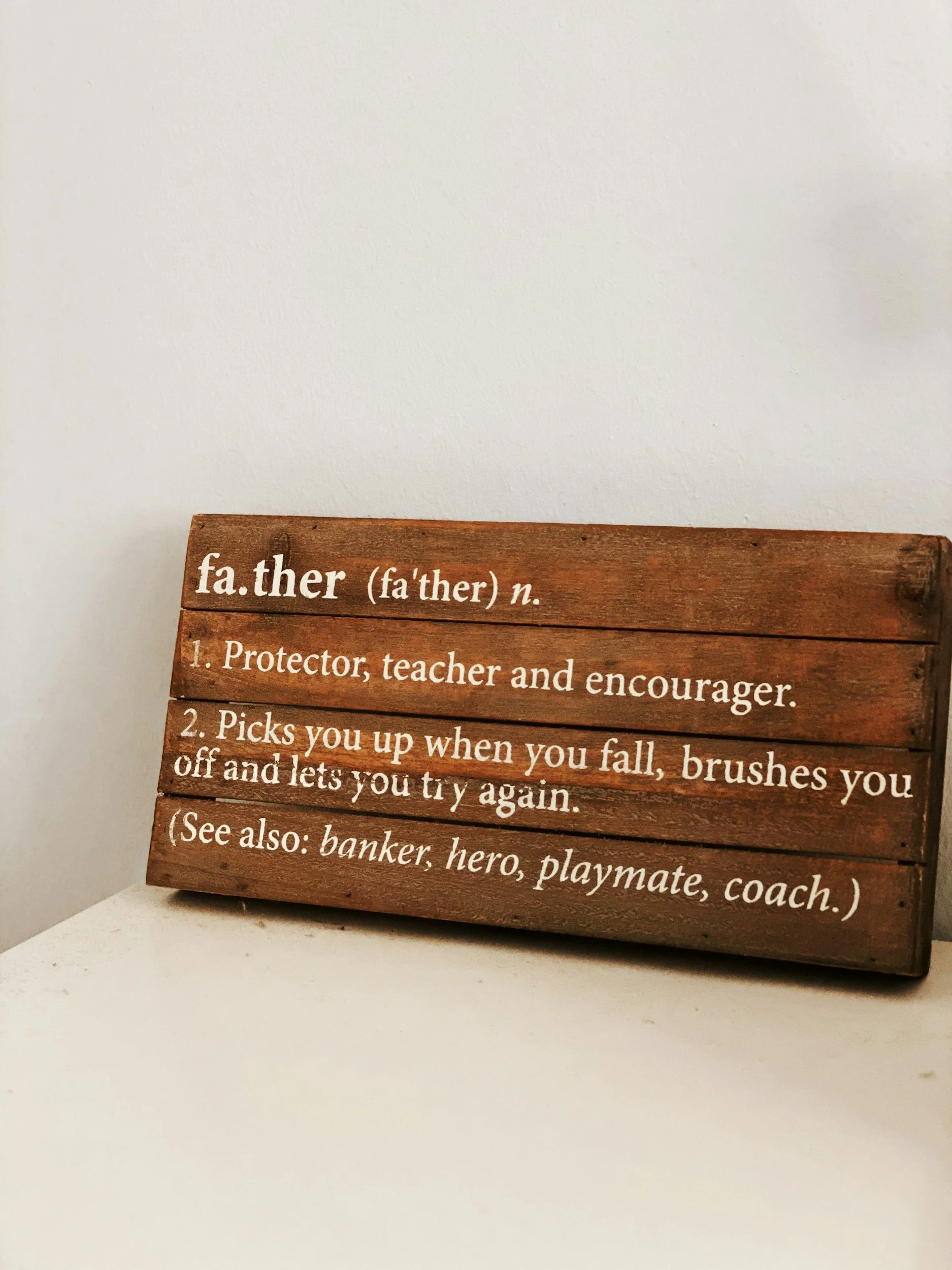
The Pressure of Fatherhood: Why Men Carry More Than They Say
The Pressure of Fatherhood: Why Men Carry More Than They Say
Fatherhood can be one of the most meaningful experiences in a man’s life.
It can also be one of the heaviest.
Many fathers arrive in therapy describing a quiet pressure they’ve been carrying for years. They don’t always call it “stress.” They call it:
responsibility
providing
being the steady one
keeping the peace
showing up
not letting the family down
But underneath all of that role and responsibility, there is often a man who is tired, stretched, or unsure where he fits anymore.
Fatherhood can be one of the most meaningful experiences in a man's life.
It can also be one of the heaviest.
Not because of the school runs, the packed lunches, the football practice, or the endless things that need organising.
Most fathers expect those parts.
The weight often comes from somewhere else.
It comes from the feeling that everyone else needs something from you.
Your children.
Your partner.
Your employer.
Your family.
And somewhere amongst all of that, it can become difficult to remember what you need yourself.
Many fathers arrive in therapy feeling exhausted, but struggle to explain why.
Life may look fine from the outside.
The bills are being paid.
The children are growing.
The responsibilities are being met.
Yet something feels different.
They feel irritable.
Disconnected.
Flat.
As though they are constantly moving but rarely stopping.
Often, they have spent years carrying things alone.
Not because anyone asked them to.
Because they believed that was what a good father was supposed to do.
Keep going.
Stay strong.
Handle it.
Don't complain.
The difficulty is that carrying everything for everyone else leaves very little room for yourself.
Over time, the emotional load goes underground.
Worry becomes irritability.
Exhaustion becomes withdrawal.
Sadness becomes frustration.
Pressure becomes silence.
Many fathers also discover they are carrying things that existed long before their children arrived.
Messages from their own childhood.
Expectations about what a father should be.
Questions about whether they are doing enough.
Sometimes even grief for the father they had, or the father they wished they had.
Fatherhood has a way of bringing these things to the surface.
Not because something is wrong.
But because becoming a father changes the way we see ourselves.
Therapy is not about becoming the perfect father.
It is about having somewhere to put down the load for a while.
Somewhere to think.
Somewhere to breathe.
Somewhere to be more than the person everyone else relies on.
Because fatherhood is not a performance.
It is a relationship.
And relationships were never meant to be carried by one person alone.