
A Gentle Pre Christmas Reminder For Anyone Who Needs It
December has a very strange energy. People talk about Christmas like it is a cosy film scene. Mulled wine. Smiles. Matching pyjamas. Everyone getting along.
In reality most people are somewhere between tired, stressed and wondering how it is suddenly the end of the year again.
Christmas has a habit of shining a light on everything you hoped might feel a bit easier by now. Money worries feel louder. Family dynamics get complicated. Grief shows up without asking. Loneliness does too. Even people who love Christmas often feel stretched in ways they do not talk about.
So here is a gentle reminder before the chaos begins.
You do not have to enjoy everything
Some parts will feel good. Some will not. Nothing is wrong with you if you do not feel festive. Nothing is wrong with you if you feel emotional and cannot explain why.
You do not have to fix everything
People will bring their moods, their history, their stress and their unresolved stuff to the table. You do not have to carry any of it.
You are allowed to set limits
You can say no. You can leave early. You can take space. You can step outside and breathe. You can choose the version of Christmas that is healthiest for you.
You are allowed to slow down
December often becomes a performance. Real life does not stop just because the decorations go up. Rest is not laziness. It is how you stay well.
You are allowed to feel two things at once
You can laugh and still miss someone. You can enjoy the day and still feel sad. You can be grateful and overwhelmed at the same time. It is all human.
And finally
If this year has been heavier than you planned, you are not alone. Many people reach this point in the calendar and wonder how they kept going. Give yourself credit for the quiet resilience you rarely acknowledge.
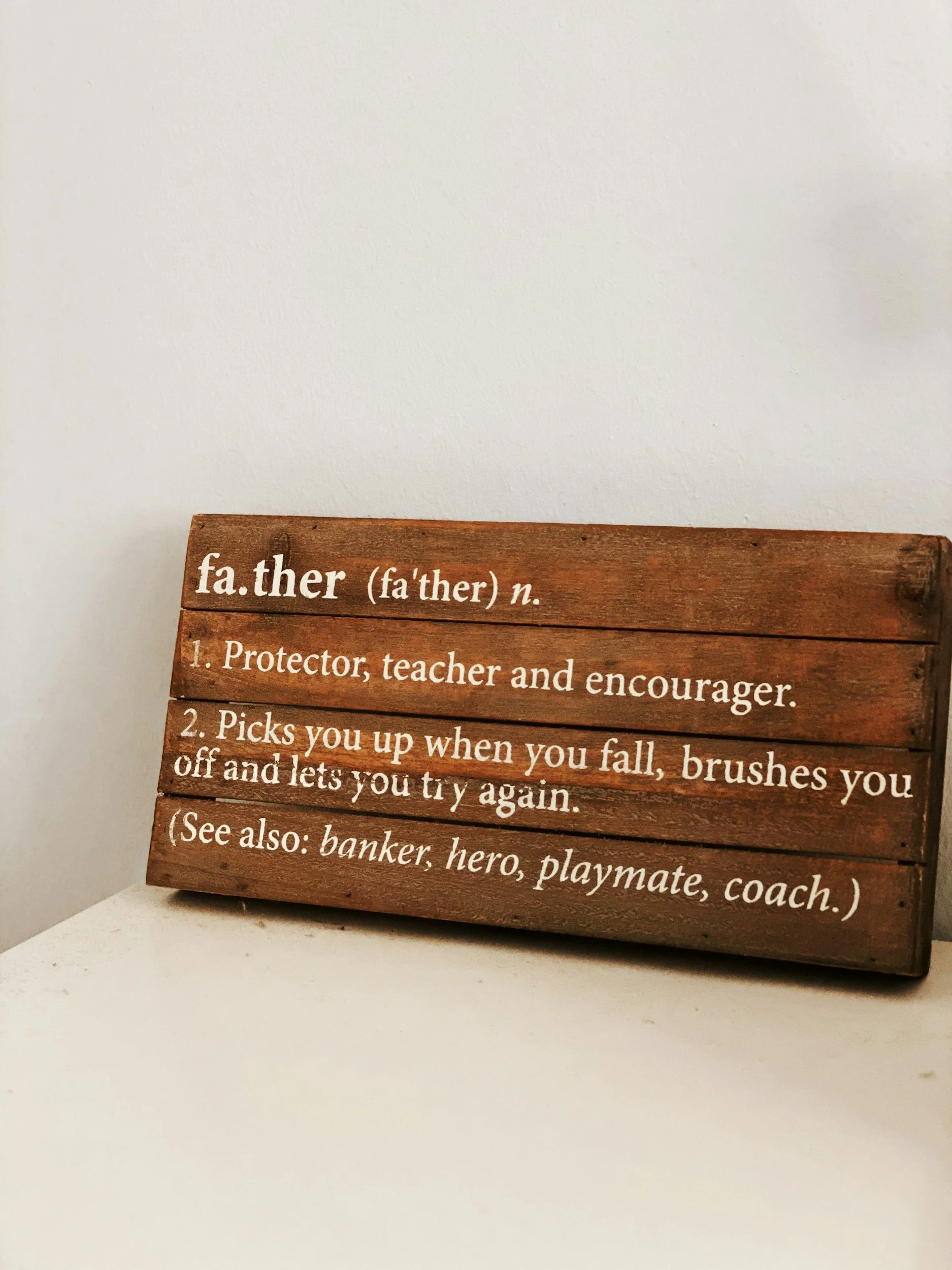
The Pressure of Fatherhood: Why Men Carry More Than They Say
Fathers often carry emotional pressure quietly. This post explores the hidden load behind staying strong for others, and why men deserve support, honesty and space to talk openly.
The Pressure of Fatherhood: Why Men Carry More Than They Say
Fatherhood can be one of the most meaningful experiences in a man’s life.
It can also be one of the heaviest.
Many fathers arrive in therapy describing a quiet pressure they’ve been carrying for years. They don’t always call it “stress.” They call it:
responsibility
providing
being the steady one
keeping the peace
showing up
not letting the family down
But underneath all of that role and responsibility, there is often a man who is tired, stretched, or unsure where he fits anymore.
Modern fatherhood asks men to be everything at once.
Strong but emotionally available.
Calm but constantly switched on.
Supportive partner, reliable parent, stable provider, patient listener.
The truth is that most fathers were never shown how to do this.
They’re building the plane while they’re flying it.
And because so many men grow up with messages like “just get on with it” or “don’t make it about you,” the emotional load goes underground.
Fathers carry:
guilt for not being present enough
fear of getting it wrong
pressure to hold the family together
grief from their own childhood
resentment they feel ashamed to admit
exhaustion they pretend not to have
This pressure often shows up sideways.
Short temper.
Irritability.
Numbness.
Restlessness.
Pulling away even from the people they love.
Therapy gives fathers a space to speak honestly without judgement or expectation.
Some talk about missing the version of themselves they used to be.
Some talk about wanting to be better dads but not knowing where to start.
Some simply want permission to stop holding everything in.
Supporting fathers isn’t about telling men to be more emotional.
It’s about giving them a place where they don’t have to be everything for everyone.
A place to be human.
A place to breathe.
A place to put down the load they’ve been carrying, even for a moment.
If any of this feels familiar, you don’t have to keep carrying it alone.
Fatherhood is not meant to be a performance.
It’s a relationship.
And you deserve support within it too.

Masking, Burnout, and the Exhaustion of Being a Neurodivergent Adult
Masking and burnout take a quiet toll on many neurodivergent adults. This post explores the hidden effort of appearing “fine,” and why understanding these patterns can bring relief and clarity.
Masking, Burnout, and the Exhaustion of Being a Neurodivergent Adult
Many neurodivergent adults arrive in therapy with a quiet, heavy exhaustion that they can’t always explain.
They’re coping.
They’re functioning.
On the surface, life looks “fine.”
But internally, they’re running on fumes.
Often this exhaustion comes from years — sometimes decades — of masking.
Masking is the effort to appear “fine” or “normal” in a world that wasn’t designed with your brain in mind. It can look like:
copying social cues
rehearsing conversations
trying not to seem “too much” or “too sensitive”
holding back stimming
pushing through sensory overwhelm
pretending to understand things you actually don’t
matching the emotional energy of others, even when it costs you
Masking helps people survive. It keeps jobs, friendships and relationships steady. But it comes with a cost.
A big one.
Over time, masking creates burnout — a deep fatigue that feels physical, emotional, and cognitive all at once.
People describe:
shutting down socially
struggling to think clearly
losing tolerance for noise or interruptions
withdrawing from relationships
anxiety or irritability
feeling like they’re “failing” at life
a sense of disappearing inside themselves
This isn’t failure.
This isn’t laziness.
This is what happens when a nervous system is pushed beyond its limits for too long.
Therapy offers a space to unmask slowly and safely.
Not in a performative way, but in a real way — where you don’t have to monitor every expression or overthink every response.
A space where you can explore:
who you are underneath the masking
what your nervous system actually needs
how to build a life that doesn’t rely on constant performance
how to communicate boundaries without shame
how to recognise early signs of burnout
how to be kinder to the parts of yourself that have worked so hard just to get through the day
Whether you’re autistic, ADHD, AuDHD, or exploring the possibility, you deserve a space where your mind is met with understanding rather than correction.
Masking may have helped you survive.
But healing begins when you no longer have to hide the parts of yourself that were never wrong in the first place.
If any of this feels familiar, therapy can be a place to rest, explore, and begin understanding yourself in a way that feels gentler and more sustainable.

Grief Is Not Something You Get Over — It's Something You Learn to Carry
Grief does not follow a timeline. This post explores why grief can feel unpredictable, why you are not “behind,” and how people slowly learn to carry their loss with compassion.
GRIEF IS NOT SOMETHING YOU GET OVER — IT’S SOMETHING YOU LEARN TO CARRY
People often come to therapy worried that their grief is taking too long.
They say things like:
“I should be over this by now.”
“Everyone else has moved on.”
“Why does it still hit me out of nowhere?”
The truth is simple and gentle:
grief does not follow a timeline, and you are not behind.
Grief is not an illness to recover from.
It is a response to love and loss.
And love does not vanish on schedule.
Over time, the shape of grief changes.
At first it’s overwhelming, heavy, everywhere.
Later, it softens. It becomes part of your life instead of taking over your life.
Not because you forget, but because you slowly learn how to carry it.
This process is not linear.
Some days you feel steady. Other days, a memory, a song, or an anniversary pulls you right back underneath it. Nothing about that is wrong. It’s the mind and body adjusting to a world that has changed.
Therapy does not take grief away.
What it can offer is space.
Space to speak honestly, without worrying about burdening anyone.
Space to feel the guilt, anger, shock or numbness that often go unspoken.
Space to make sense of the moments when you are grieving and functioning at the same time.
You do not have to grieve perfectly.
You do not have to meet anyone’s expectations.
You do not have to rush.
You are not letting anyone down by still feeling the loss.
You are human, and you are adapting.
Grief is not something you get over. It is something you learn to live alongside, with compassion for yourself and the person you lost.
If this resonates, therapy can give you room to explore what grief looks like for you, without judgement and without pressure to be anywhere other than where you are.

Why Men Wait Too Long to Ask for Help — And Why They Don’t Have To
Many men grow up believing they should cope alone. This post explores why asking for help feels so difficult, and why reaching out is one of the strongest steps a man can take.
Why Men Wait Too Long to Ask for Help — And Why They Don’t Have To
For so many men, asking for help feels like admitting failure. We learn from an early age to cope alone, stay strong, manage it, get on with things.
But the truth is this: isolation is exhausting, and it catches up with all of us eventually.
In therapy, I hear a similar story again and again.
Not “I’m weak.”
But “I’m tired.”
Tired of holding everything together.
Tired of pretending.
Tired of being the one who absorbs the pressure but never releases it.
Men often wait until breaking point — not because they don’t care, but because they’ve never been shown another way.
But help doesn’t have to be dramatic.
It can start quietly.
A conversation. A pause. A chance to breathe.
If you’ve spent years carrying things alone, therapy can be the first moment you realise you don’t have to.
Asking for support isn’t failure. It’s permission.
Permission to stop holding your breath.
Permission to be human.
If this resonates, you’re not alone — and starting is often easier than you think.